
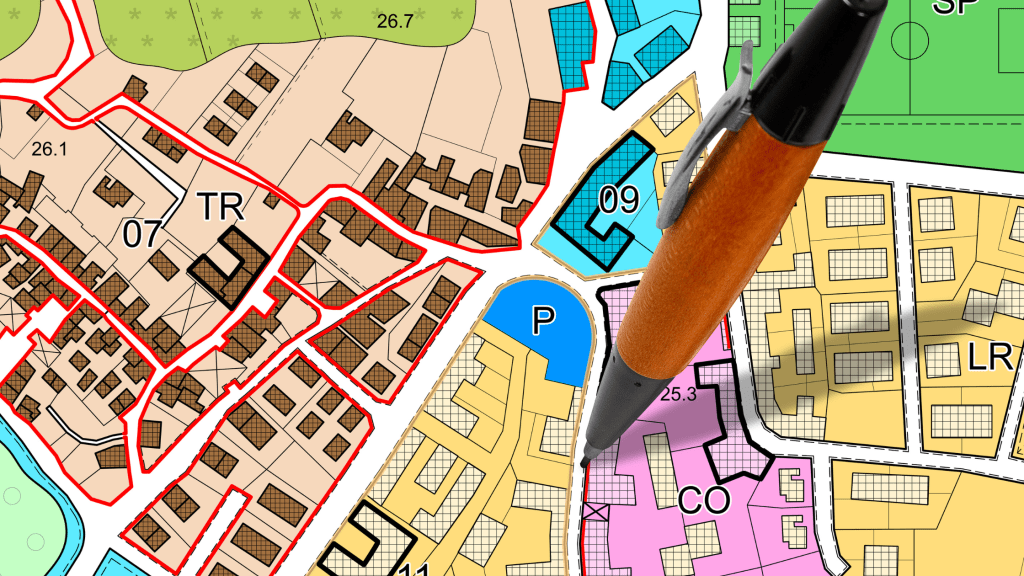
Zoning laws play a significant role in shaping communities across Georgia, particularly in major metro areas like Atlanta. These regulations determine what types of buildings can be constructed in specific areas, influencing housing availability, affordability, and urban growth.
Understanding Zoning Laws
Zoning laws are local regulations that govern land use. They dictate whether a property can be used for residential, commercial, industrial, or mixed-use purposes. Additionally, zoning can regulate building height, lot size, and density. While these rules help ensure organized development, they can sometimes hinder efforts to meet housing demand.
The Housing Supply Challenge
Georgia has experienced rapid population growth in recent years, driven by economic opportunities and urban expansion. However, restrictive zoning laws have limited the ability to build high-density housing, such as apartments, townhomes, and accessory dwelling units (ADUs). This has contributed to rising home prices and reduced affordability for many residents.
The Push for Zoning Reform
To address these challenges, policymakers and housing advocates in Georgia have called for zoning reforms. Some proposed solutions include:
- Increased Density Zoning: Allowing multi-family housing in areas previously designated for single-family homes.
- Accessory Dwelling Units (ADUs): Permitting homeowners to build smaller, secondary units on their property to increase rental options.
- Mixed-Use Developments: Encouraging residential and commercial spaces to coexist, promoting walkable communities.
Community Reactions
While zoning reforms can increase housing supply and affordability, they often face resistance from community members concerned about increased traffic, strain on infrastructure, and changes to neighborhood character. Finding a balance between growth and maintaining the identity of local communities remains a challenge.
Conclusion
Zoning laws have a profound impact on housing supply in Georgia. By pursuing thoughtful reforms, local governments can create more inclusive and affordable housing options while preserving the character of neighborhoods. Whether you’re a homebuyer, investor, or concerned resident, staying informed about zoning policies can help you understand the future landscape of Georgia’s housing market.
If you’re considering buying or selling property in Georgia, feel free to reach out. Understanding how zoning changes might affect property values and availability can give you a strategic edge in this dynamic market.
 Melissa Morgan