
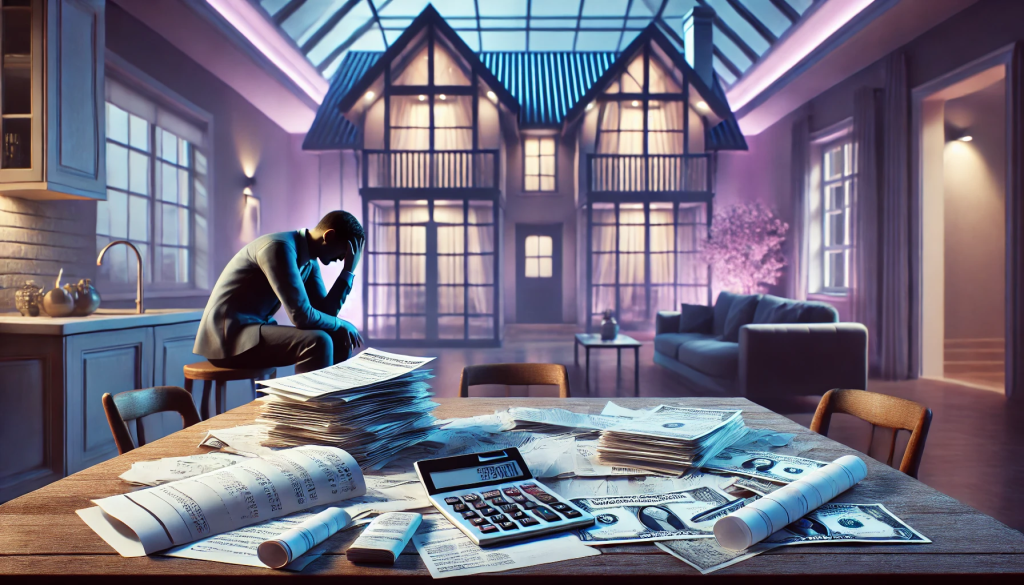
Owning a home is often seen as the ultimate symbol of success. You saved up, signed those closing papers, and finally got the keys to your dream home. But what happens when that dream starts to feel more like a financial burden than a blessing? That’s what it means to be House Poor — and it’s more common than you might think.
What Does It Really Mean to Be House Poor?
Being house poor isn’t just about having a high mortgage payment — it’s about how that payment impacts your overall lifestyle. If your home expenses leave little room for savings, emergencies, or even just enjoying life, you might be house poor without even realizing it.
Here’s the tricky part — society often celebrates the idea of “buying the most house you can afford” as a badge of honor. But what they don’t tell you is how quickly that mindset can leave you stretched thin. Sure, you have the bigger kitchen or the extra guest room — but are you skipping dinners out, vacations, or even basic self-care just to make that payment?
Real-Life Examples of Being House Poor
As a realtor, I’ve seen this happen more often than you might expect. I’ve worked with clients who qualified for homes at the top of their budget, only to find themselves living paycheck to paycheck afterward. One family moved into their dream home with a pool and extra bedrooms — but had to cut back on their kids’ extracurricular activities just to make ends meet. Another couple bought their first home in a trendy neighborhood, but after factoring in HOA fees and property taxes, they realized they couldn’t afford to furnish half the house.
These stories aren’t rare — they’re real. And they highlight how important it is to think beyond the excitement of the purchase price.
Why Is No One Talking About This?
The truth is, talking about being house poor feels… uncomfortable. No one wants to admit they’re struggling — especially not after making such a big, public investment. Social media doesn’t help either. It’s easy to scroll through picture-perfect homes and feel like everyone else is thriving. What you don’t see? The credit card debt, the empty savings accounts, or the stress behind closed doors.
How to Avoid the House Poor Trap
- Just Because You Qualify, Doesn’t Mean You Should Max Out Your Budget: Lenders might approve you for a certain amount — but that doesn’t mean that’s what’s best for your lifestyle. Know your comfort zone, not just your maximum approval amount.
- Think Beyond the Mortgage Payment: Property taxes, HOA fees, utilities, and maintenance can add up fast. Make sure you’re factoring in all the hidden costs.
- Emergency Fund First, Dream Home Later: If buying your dream home means draining your entire savings account — it’s probably not the right time.
- Prioritize Life, Not Just Square Footage: A smaller home with financial freedom will always feel better than a bigger house with constant money stress.
- Work with a Realtor Who Gets It: This is where I come in. When I work with clients, I don’t just look at what the bank says you can afford — I ask questions about your lifestyle. Do you like to travel? Are you planning for kids or retirement? Those answers help us find a home that fits your life, not just your loan approval.
The Bottom Line
Owning a home should improve your life — not limit it. If your house is making you sacrifice the things that bring you joy, it’s time to rethink what “affordable” really means. There’s no shame in choosing a home that fits your budget and your lifestyle.
Whether you’re buying your first home or considering an upgrade, let’s have a real conversation about what homeownership should feel like — freedom, not frustration.
Need help finding the right home for your lifestyle? Let’s talk! DM me anytime — I’m here to help you make smart moves, not just big ones.
 Melissa Morgan