
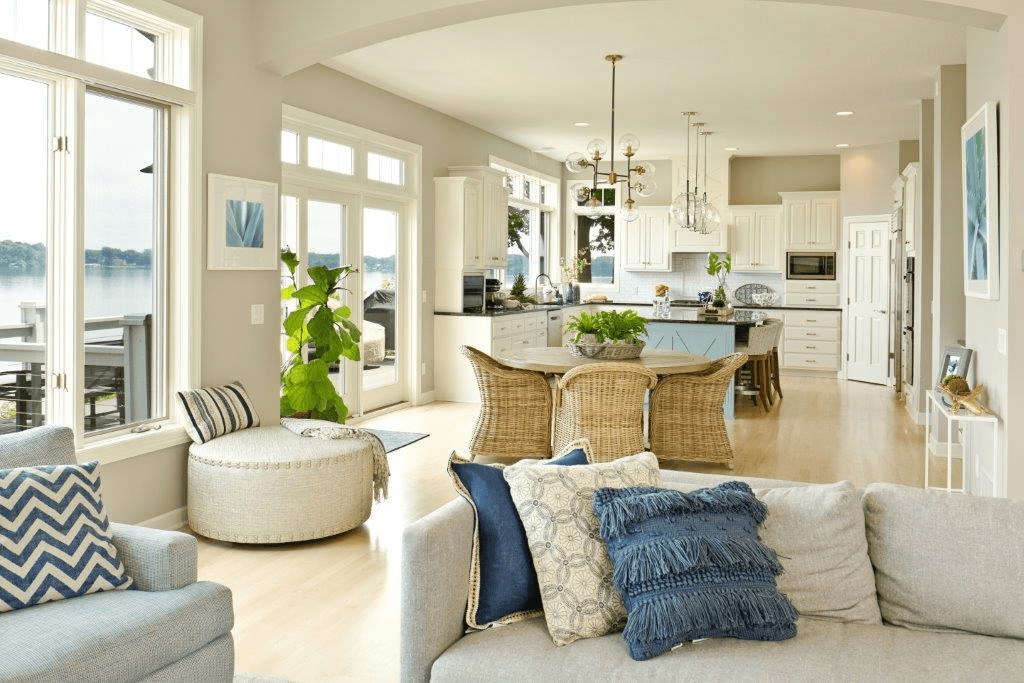
As the real estate market shifts, staging is becoming increasingly paramount for sellers looking to attract buyers and close deals. In many areas, properties aren’t selling as quickly as they did just a year ago, making prelisting prep all the more important.
The importance of staging cannot be overstated. Simply put, it’s the art of preparing a home for sale in a way that highlights its best features and makes it appealing to potential buyers. The goal is to create an emotional connection between the buyer and the home, which can ultimately lead to a higher selling price and a faster sale.
One of the biggest advantages of staging is that it helps buyers envision themselves living in the space. When done correctly, it allows them to imagine their own furniture, decor, and personal touches in the home. This emotional connection can be the difference between a sale and a missed opportunity.
Another advantage of staging is that it can help downplay any potential negatives in a home. For example, if a room is small or awkwardly shaped, staging can be used to create an illusion of space or make the room more functional. Staging can also be used to update a home’s decor or make it feel more modern, which can be especially important in older homes.
If you’re considering staging your home, there are a few things to keep in mind. First and foremost, it’s important to work with a professional stager who has experience in your local market. They will be able to provide insights and recommendations that are tailored to your specific situation.
It’s also important to remember that staging doesn’t have to be expensive. In fact, many stagers are able to work with existing furniture and decor, and simply make adjustments to improve the overall look and feel of the home.
Finally, it’s important to be open to feedback and suggestions from your stager. While it can be difficult to hear criticism about your home, remember that the goal is to make it as appealing as possible to potential buyers. By working together, you and your stager can create a space that’s sure to impress.
In conclusion, as properties begin to linger on the market, staging has become more important than ever for sellers. By creating an emotional connection between buyers and the home, downplaying any potential negatives, and updating the decor, staging can be the key to a faster sale and a higher selling price. So if you’re considering selling your home, make sure you invest in the power of staging.
 Melissa Morgan